Office janitorial cleaning checklists define the structure that keeps workplaces hygienic, organized, and productive. These checklists guide cleaning teams through daily, weekly, and monthly tasks so nothing gets missed. Businesses rely on them to maintain health standards, reduce employee sick days, and present a professional image to clients.
A strong checklist also improves accountability and ensures consistent results across shifts. In this guide, you will learn what a complete office cleaning checklist includes and how each area contributes to a cleaner, healthier workspace that supports productivity and comfort for everyone working inside the office environment every day overall success.
Why Office Janitorial Cleaning Checklists Matter in Real Work Environments
Every office runs on routine, and cleaning routines need structure to stay effective. A janitorial checklist creates that structure and keeps cleaning teams aligned with clear expectations. When teams follow a defined checklist, they avoid missed areas, wasted time, and inconsistent results. Offices also gain better hygiene control because every zone receives attention based on priority and frequency.
A strong checklist also helps managers monitor cleaning performance. They can quickly confirm whether teams complete tasks and maintain standards. This approach builds discipline in cleaning operations and creates a predictable system that supports both employees and visitors. Clean environments directly improve focus, reduce distractions, and help staff feel more comfortable throughout the day.
Read More: Why Janitorial Services Are Essential for Workplace Hygiene
Here is What Included in Office Janitorial Cleaning Checklist
Lobby and Reception Area Cleaning Standards
The lobby creates the first impression of any office, so janitorial checklists always prioritize this space. Cleaning teams start by clearing dust from reception desks, chairs, and display tables. They sanitize all contact points such as door handles, bell buttons, and visitor counters because these areas carry the highest traffic.
Teams also maintain glass doors and entrance panels to keep visibility clear and professional. They vacuum or mop entry floors to remove dirt tracked in from outside. In many offices, teams refresh décor elements like mats and indoor plants to maintain a welcoming environment.
A clean reception area signals professionalism before any conversation starts. It sets the tone for how clients and employees perceive the entire organization.
Workstation and Desk Cleaning Procedures
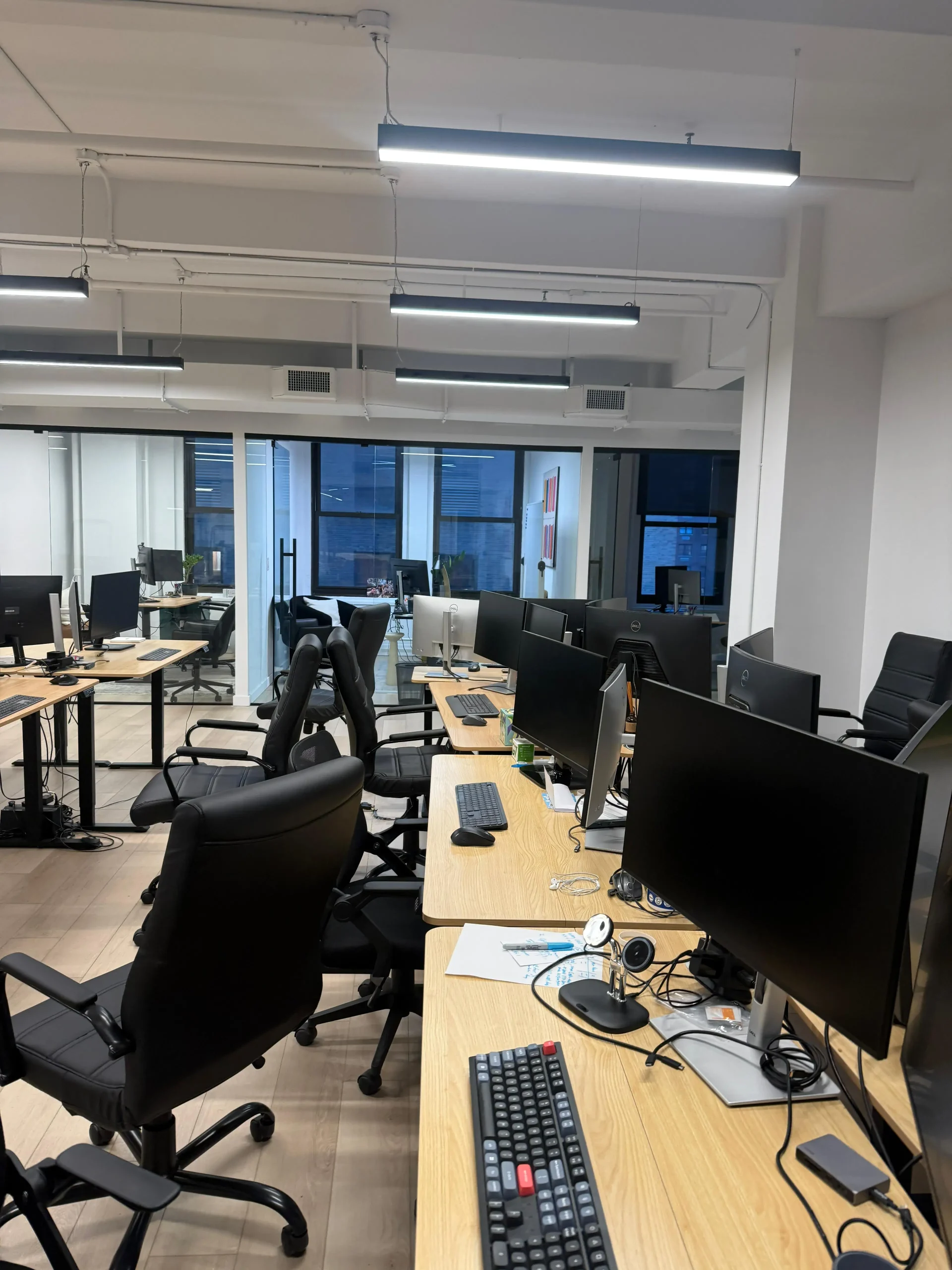
Workstations demand careful attention because employees spend most of their day at their desks. Janitorial checklists guide cleaners to wipe desktops, keyboards, monitors, and phone surfaces with safe disinfectants. They remove dust from office equipment and organize visible clutter when needed.
Cleaning teams also empty desk-side trash bins and ensure no waste accumulates under desks. They maintain cable areas by removing dust buildup that can affect equipment performance. Offices often include shared workstations, so cleaners focus on sanitizing between-use zones to reduce germ spread.
A clean workstation helps employees focus better and reduces distractions caused by dirt or clutter. It also protects sensitive equipment from long-term damage caused by dust accumulation.
Restroom Cleaning and Hygiene Control
Restrooms require strict cleaning routines because hygiene matters most in these spaces. Janitorial checklists ensure cleaners disinfect toilets, sinks, faucets, and door handles multiple times a day. They restock essential supplies such as soap, tissue paper, and hand towels without delay.
Cleaners scrub floors thoroughly to prevent odor buildup and bacteria growth. They also check ventilation systems to maintain fresh airflow. Mirrors receive regular cleaning to avoid water stains and smudges that affect appearance.
Restroom maintenance reflects directly on how an organization values health and cleanliness. A well-maintained restroom improves employee satisfaction and supports a healthier workplace environment.
Kitchen and Pantry Area Maintenance
Office kitchens and pantries often become shared social spaces, which increases cleaning responsibility. Janitorial checklists instruct teams to clean countertops, sinks, microwaves, and refrigerators regularly. They remove leftover food and prevent odor buildup by checking storage areas daily.
Cleaners also sanitize dining tables and seating areas after breaks. They wipe appliance handles because multiple employees touch them throughout the day. Floors in kitchen areas receive frequent cleaning because spills and crumbs appear often.
A clean pantry encourages employees to maintain better habits and reduces pest risks. It also creates a comfortable break environment where staff can relax without hygiene concerns.
Floor Care and Carpet Maintenance
Floor cleanliness affects the overall appearance of an office more than any other surface. Janitorial checklists guide teams to vacuum carpets daily and remove visible dirt immediately. They mop hard floors using suitable cleaning solutions that prevent slip hazards and maintain shine.
High-traffic zones such as corridors and entrances receive extra attention because they collect dirt faster. Cleaning teams also inspect floor corners and under furniture where dust accumulates unnoticed.
Carpeted areas need periodic deep cleaning to remove embedded dirt and allergens. Offices benefit from consistent floor care because clean floors enhance safety and improve visual appeal throughout the workspace.
High-Touch Surface Disinfection Practices
Modern offices prioritize disinfection because employees share multiple surfaces throughout the day. Janitorial checklists highlight high-touch areas such as light switches, elevator buttons, shared printers, and meeting room tables.
Cleaning teams apply disinfectants carefully to break the chain of germ transmission. They repeat this process several times daily in busy office environments. Door handles and handrails also receive frequent attention because they carry high contact rates.
This step protects employee health and reduces the spread of common illnesses. It also builds confidence among staff who rely on shared spaces for daily tasks.
Weekly Deep Cleaning Responsibilities
Weekly tasks expand beyond daily maintenance and focus on deeper cleaning work. Janitorial teams move furniture to clean hidden dust and debris. They clean windows from both inside and accessible exterior sides to maintain clarity and natural light flow.
Teams also sanitize less frequently used equipment such as storage cabinets and conference room materials. They polish furniture surfaces to restore their finish and remove long-term dust buildup.
Weekly cleaning strengthens overall hygiene by targeting areas daily routines may miss. It keeps the office environment fresh and prevents gradual dirt accumulation that affects long-term cleanliness.
Monthly Deep Cleaning and Inspection Tasks
Monthly cleaning routines focus on deep sanitation and detailed inspection. Janitorial teams clean air vents, light fixtures, and ceiling corners where dust collects over time. They also perform detailed carpet shampooing and floor polishing to restore original appearance.
Storage areas receive full cleaning, including shelves, drawers, and hidden corners. Teams inspect cleaning tools and replace worn-out equipment to maintain efficiency. This stage often includes pest control coordination if required.
Monthly cleaning ensures the office maintains a high standard of hygiene beyond surface-level cleaning. It resets the environment and prepares it for another cycle of efficient maintenance.
Also Read: 15 Questions to Ask Before Signing a Janitorial Contract in San Francisco
Contact American Janitorial Services for Office Cleaning in San Francisco
If you want your office to maintain a professional and healthy environment without disruption, you need a structured cleaning system managed by experts.
American Janitorial Services San Francisco delivers reliable and detail-focused office cleaning solutions across San Francisco. Our team follows advanced janitorial checklists that cover every corner of your workspace with precision. We customize cleaning plans based on your office needs and ensure consistent quality every time. If you want a cleaner workplace that supports productivity and professionalism, American Janitorial Services SF stands ready to handle your cleaning needs with care and commitment.
Frequently Asked Questions
What is included in an office janitorial cleaning checklist?
An office janitorial cleaning checklist typically includes vacuuming and mopping floors, emptying trash bins, cleaning and sanitizing restrooms, wiping down desks and surfaces, cleaning kitchen or break room areas, dusting vents and fixtures, and restocking supplies like soap and paper towels.
How often should office janitorial cleaning be done?
Office janitorial cleaning should be done daily for high-traffic areas like restrooms, lobbies, and kitchens, weekly for tasks like vacuuming carpets and wiping windows, and monthly for deep cleaning tasks like scrubbing grout, cleaning vents, and sanitizing hard-to-reach areas.
What is the difference between daily and deep office cleaning?
Daily office cleaning covers routine tasks like emptying bins, wiping surfaces, sanitizing restrooms, and vacuuming floors, while deep office cleaning involves thorough tasks like carpet shampooing, cleaning behind appliances, scrubbing tile grout, and disinfecting high-touch areas more extensively.
What areas are most important to include in an office cleaning checklist?
The most important areas to include in an office cleaning checklist are restrooms, kitchens and break rooms, reception and lobby areas, workstations and shared desks, conference rooms, and high-touch surfaces like door handles, light switches, elevator buttons, and shared equipment.
Should I hire a professional janitorial service or clean the office in-house?
Hiring a professional janitorial service is recommended for most offices as it ensures consistent cleaning standards, access to commercial grade equipment and products, flexible scheduling, and compliance with health and safety regulations, making it more efficient and cost effective than in-house cleaning.